 01
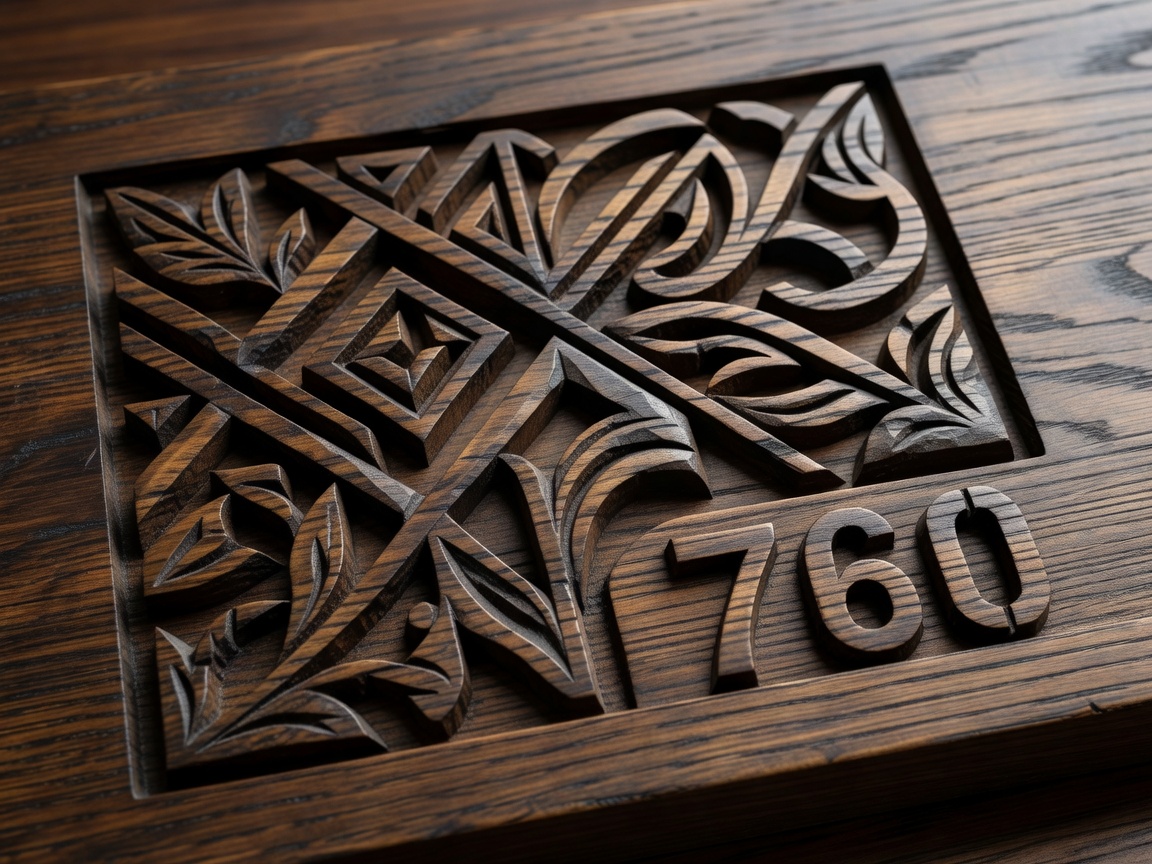
METHOD / FORM
From surface to volume
Woodcarving Techniques
Compare relief, chip, pierced and sculptural carving by depth, effect, material and tool demand.
ReliefGeometricFinish
Study techniques European craft reference · Est. 2026
A practical guide to European woodcarving traditions, materials, techniques and modern practice.
Reference library · 01—05
Five entry points. One connected craft. Start with the question in front of you.
01
METHOD / FORM
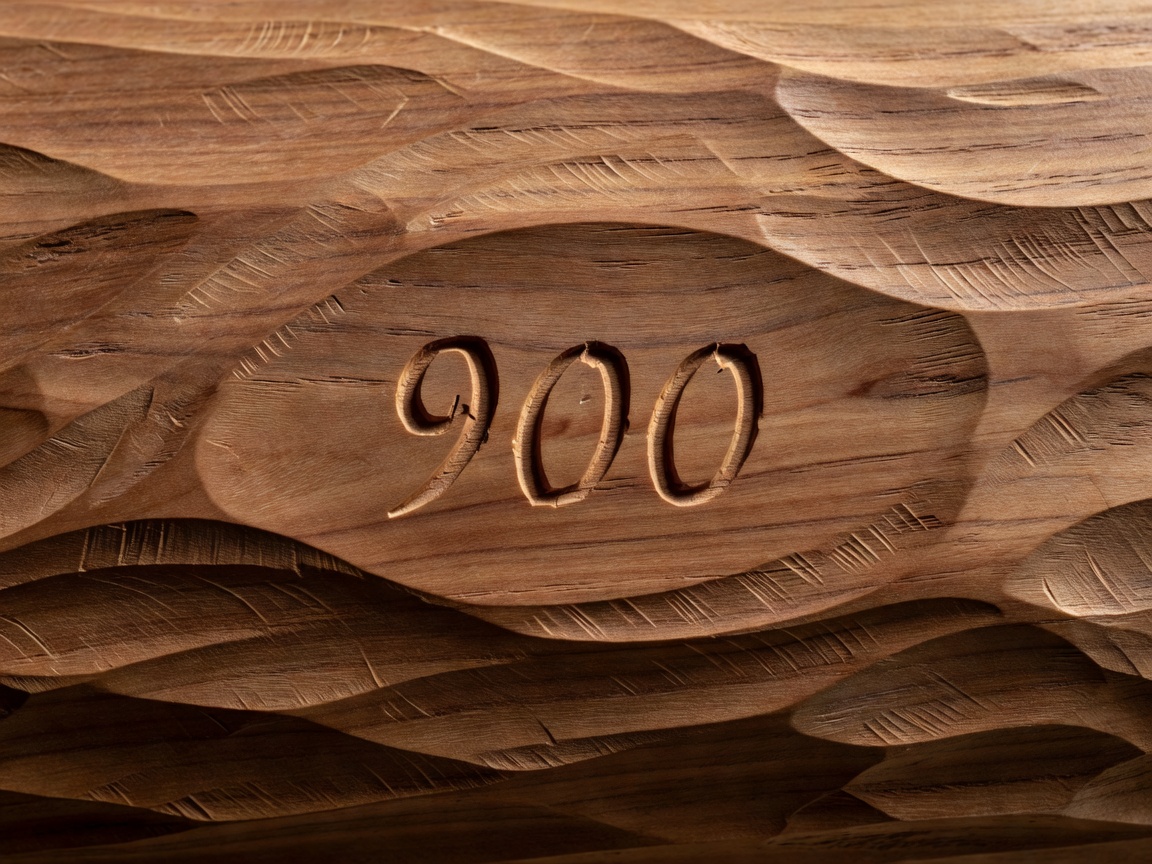
From surface to volume
Compare relief, chip, pierced and sculptural carving by depth, effect, material and tool demand.
 02
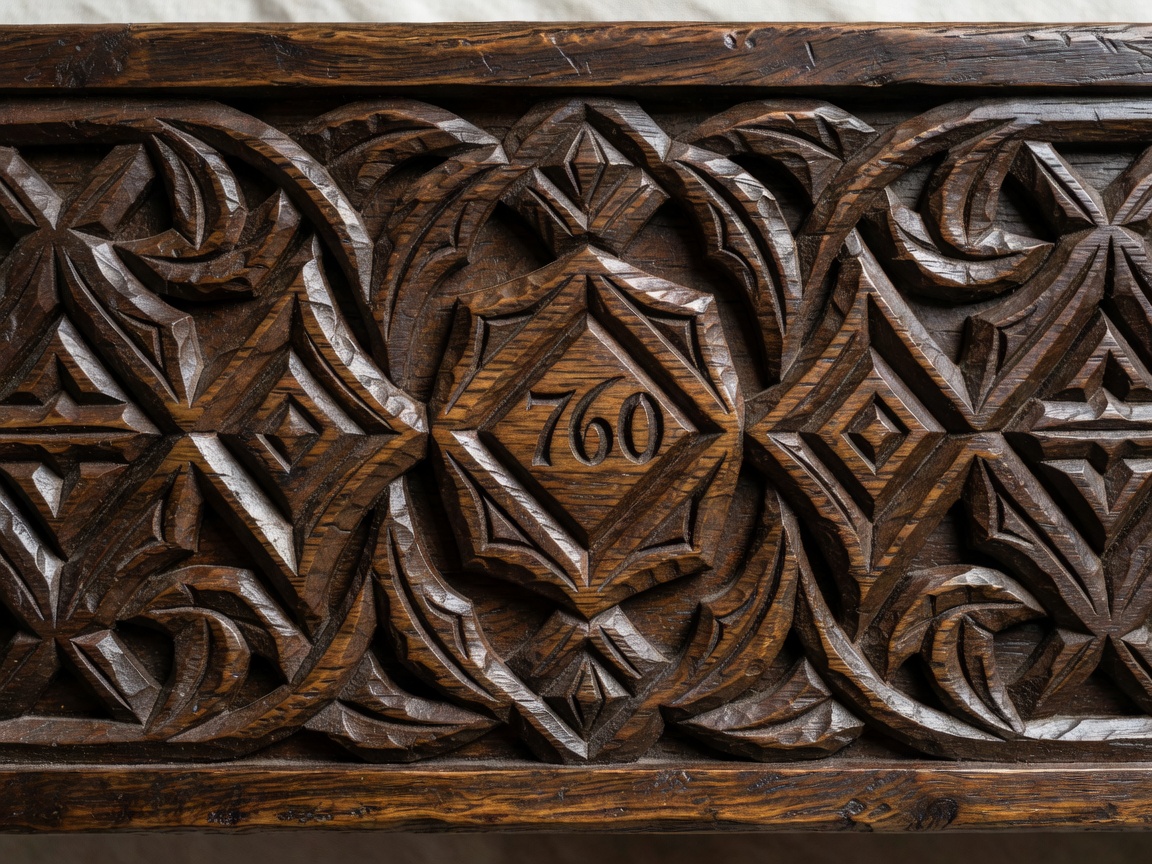
PLACE / HISTORY
A connected regional atlas
Read regional traditions through timber, architecture, domestic use, exchange and belief.
 03
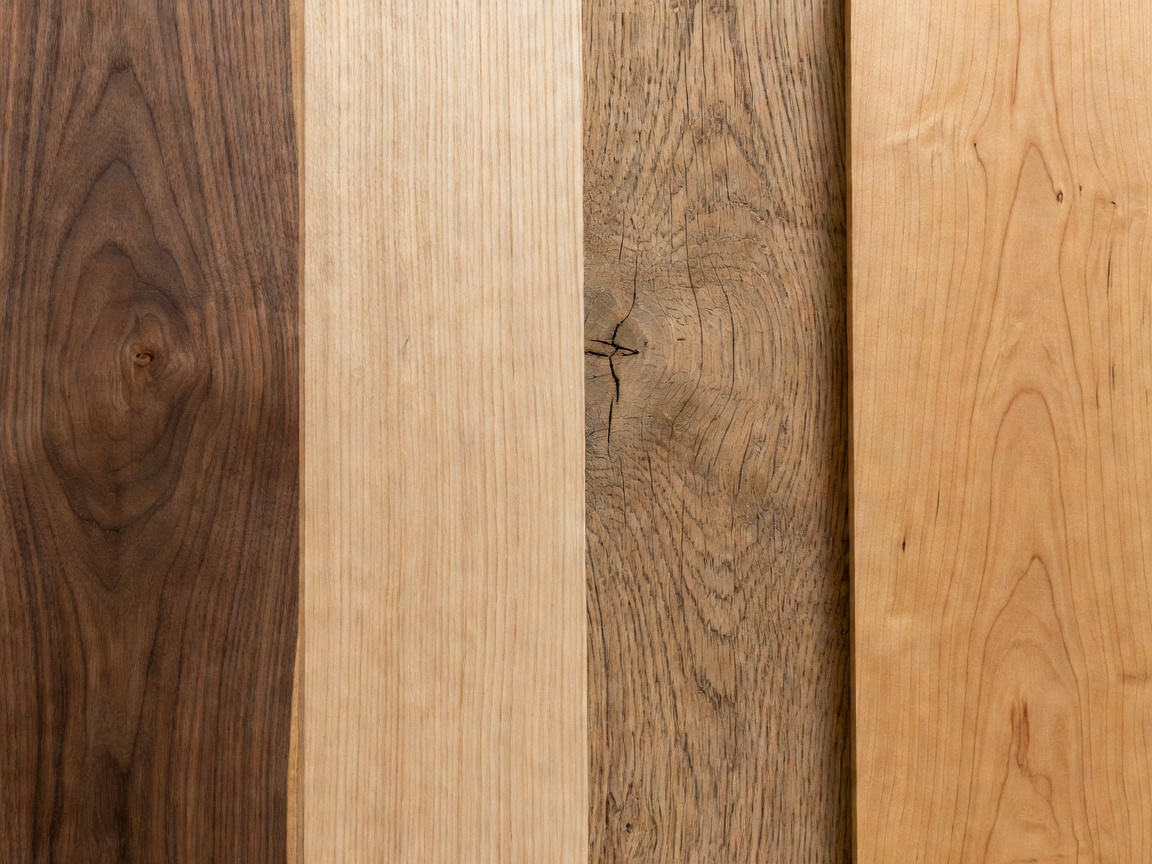
MATERIAL / SELECTION
Timber before technique
Assess grain, hardness, density, texture, drying and finish behavior before choosing a blank.
 04
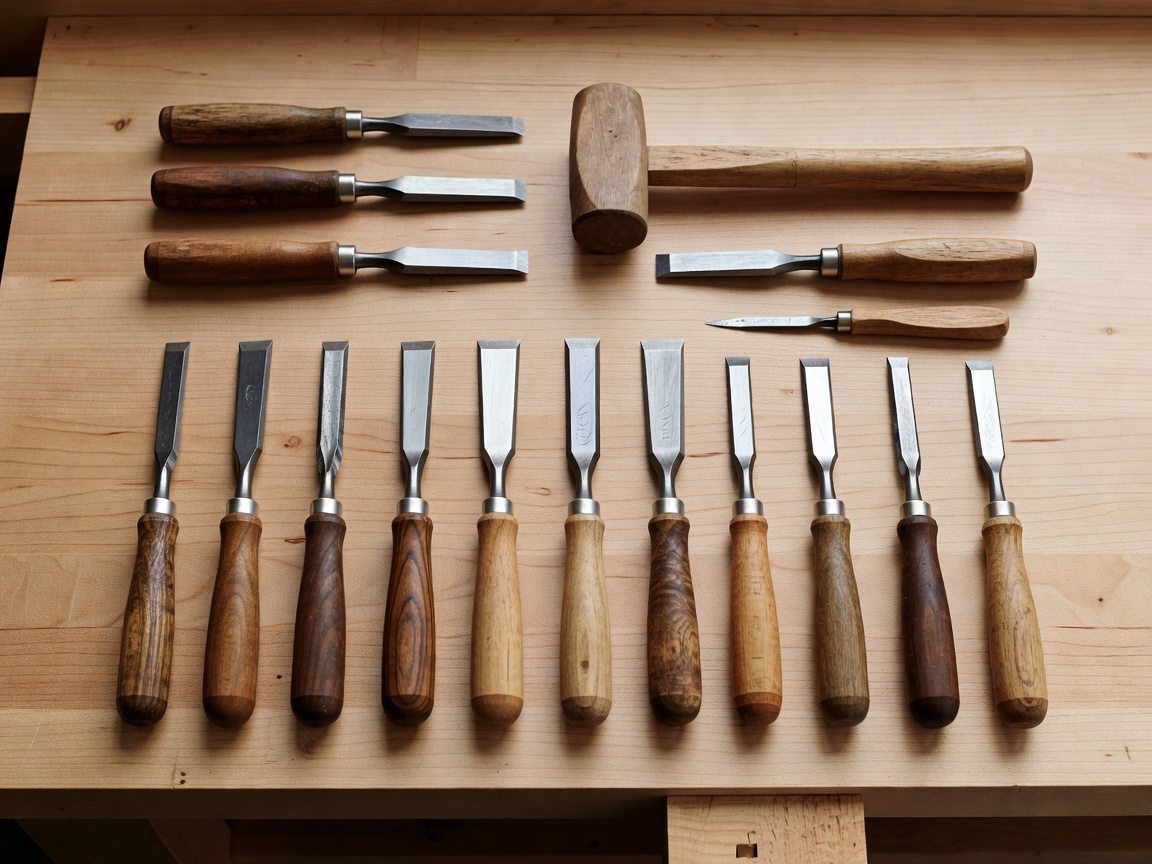
EQUIPMENT / SETUP
A considered working space
Understand tool categories, workholding, sharpening, lighting, dust management and storage.
 05
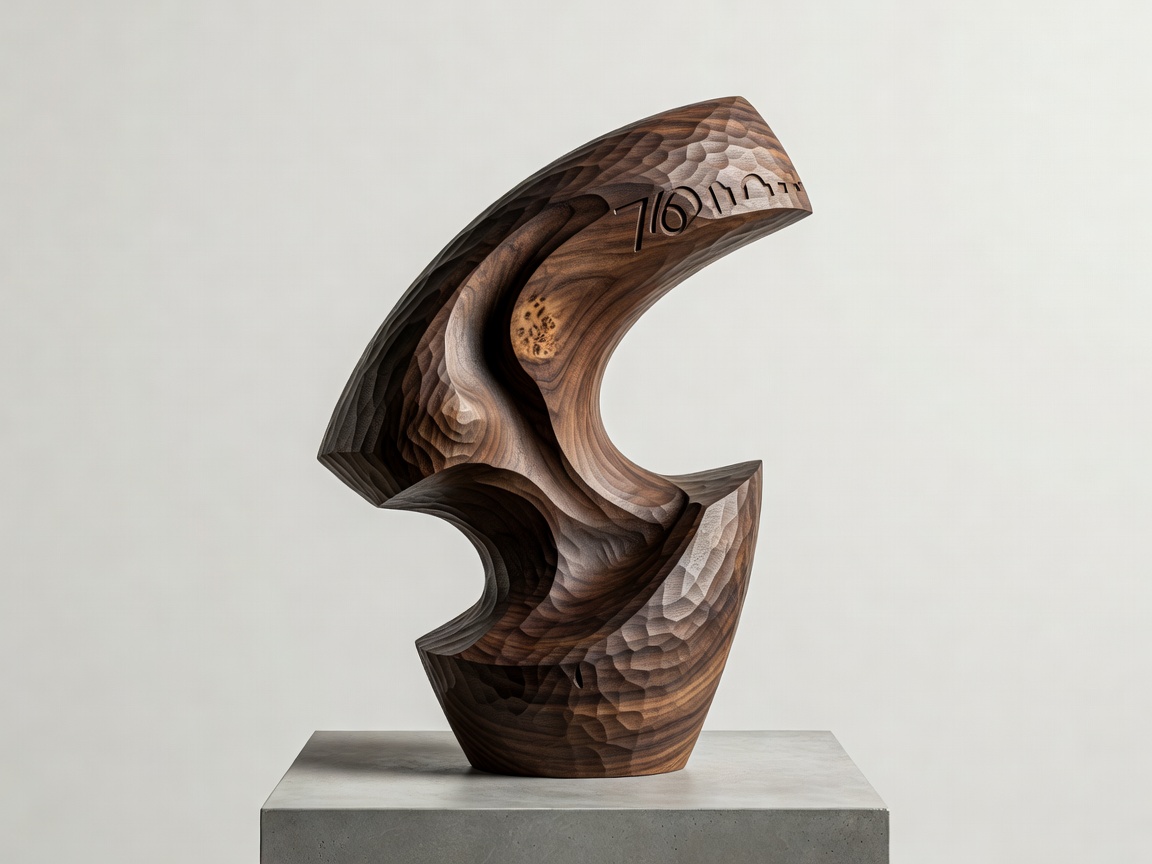
PRACTICE / TODAY
Tradition in active use
Connect hand carving with contemporary objects, architecture, digital planning and material care.
Workshop sequence
A planning framework. Adapt each stage to the work, the timber and the tools available.
Match scale, grain, condition and intended finish to the method.
Plan the form, inspect the blank and establish secure workholding.
Work from a considered design with suitable tools and protective practice.
Review edges, surfaces and transitions in steady, appropriate light.
Choose a compatible finish that supports the object’s use and care.
Reference desk
Send a focused enquiry about a technique, timber choice or guide correction.