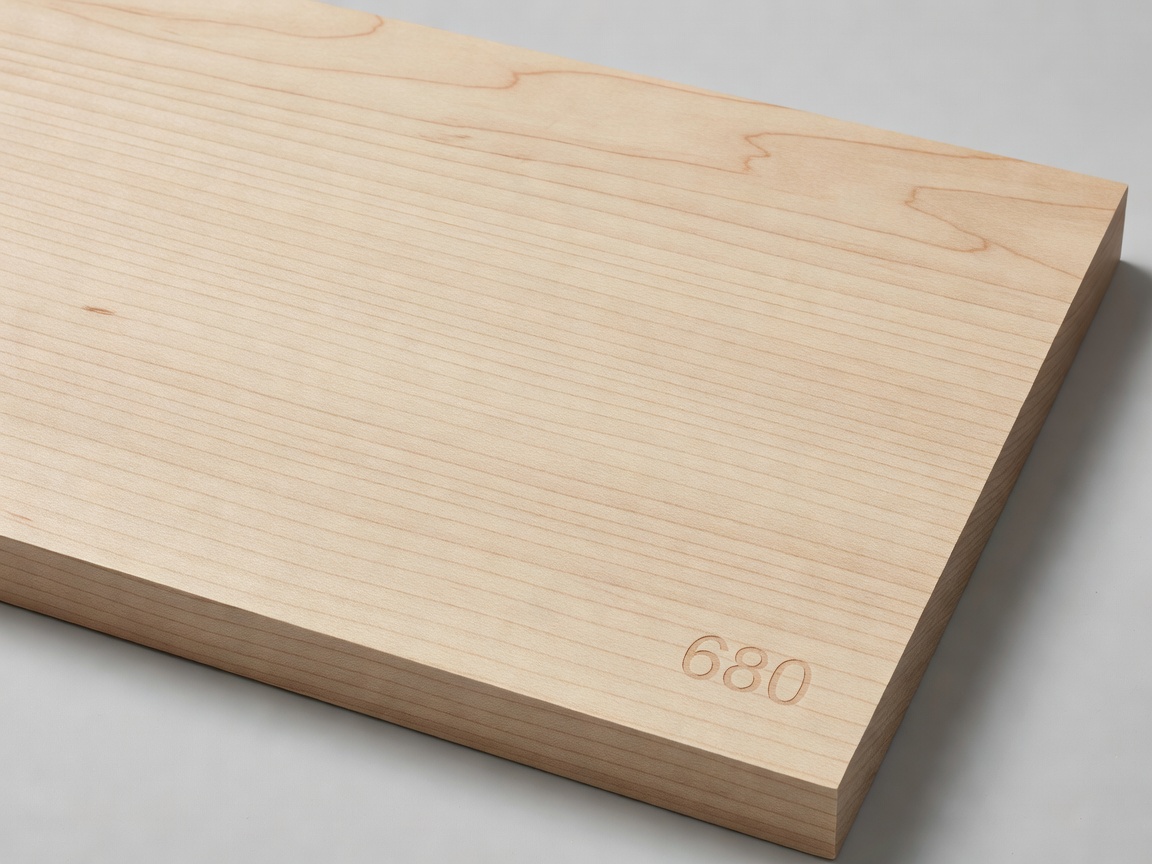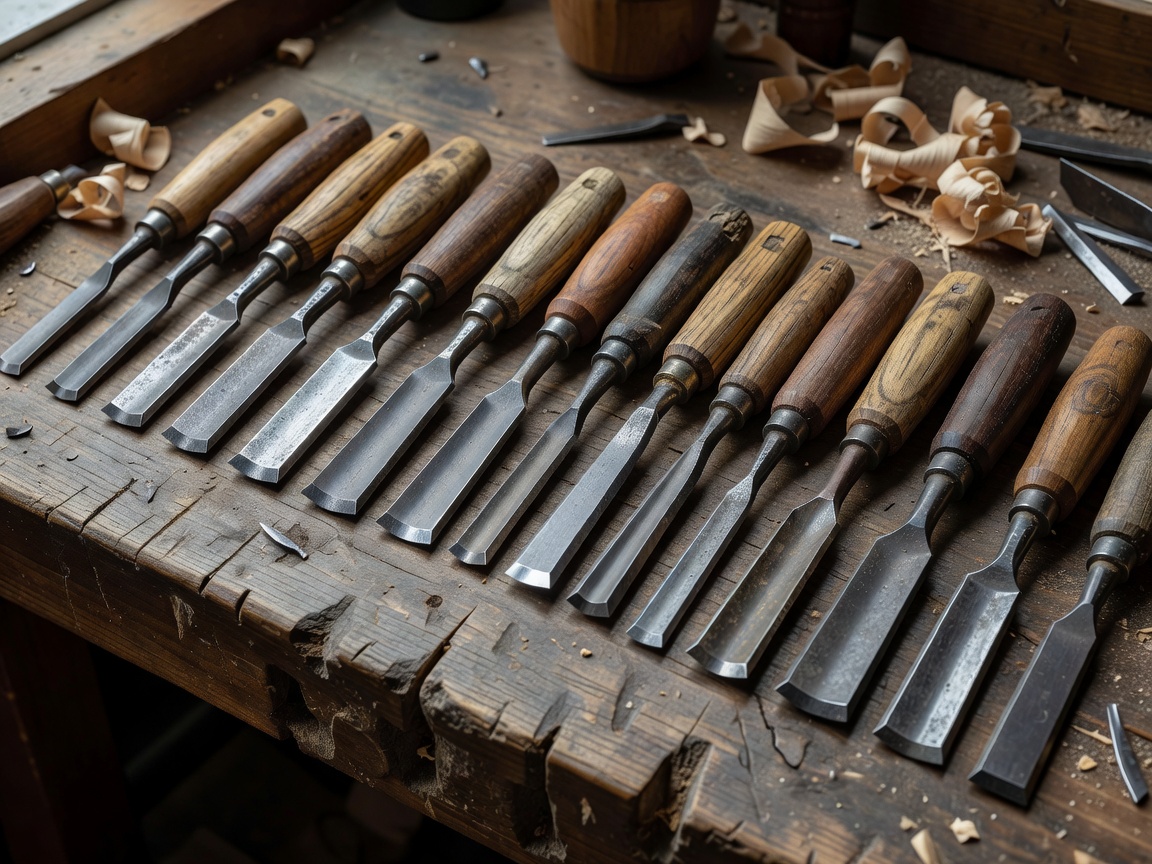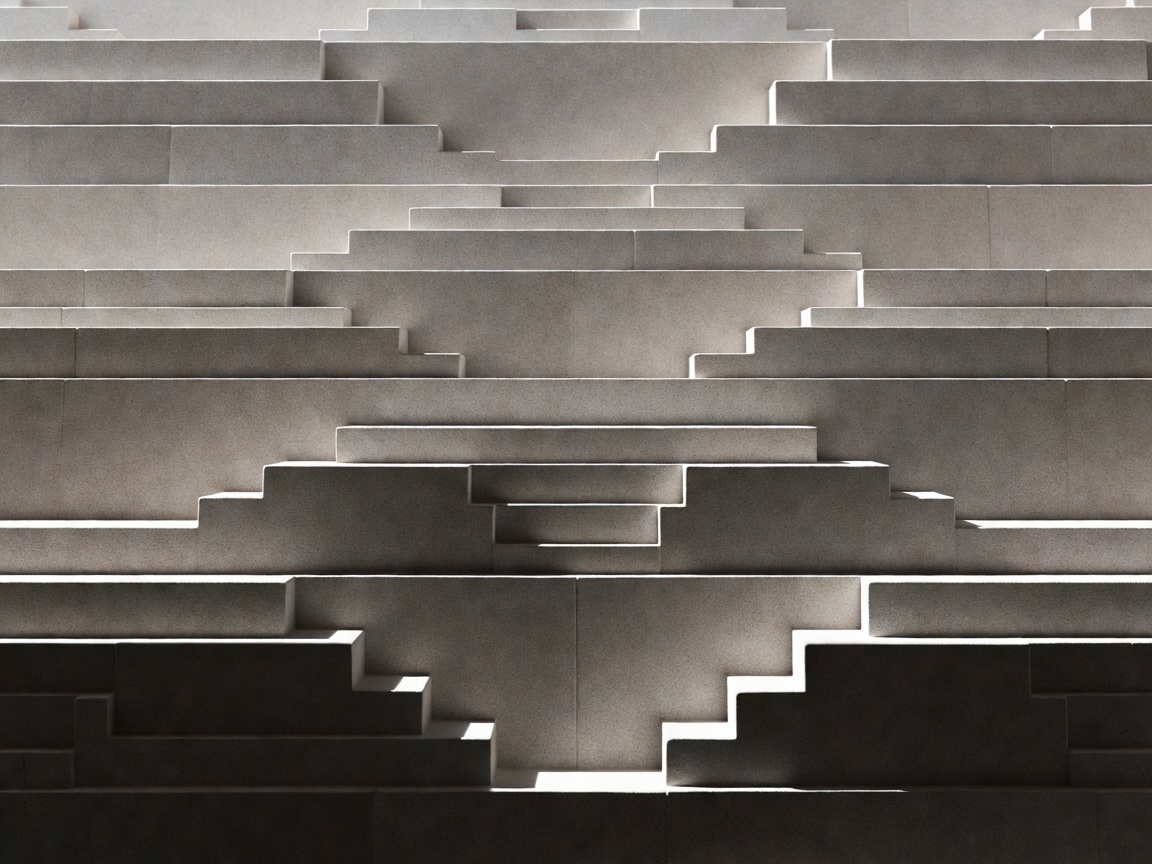
Carving methods differ in how far the cut moves into the blank, how much material remains connected and what kind of surface the work produces. A shallow panel and a fully rounded figure place different demands on design, timber and tool control.
Start with depth and visual effect
Relief carving keeps the image attached to a background. Low relief uses restrained projection and clear outlines. Higher relief separates forms more strongly and creates deeper shadows. It suits panels, doors, frames and architectural details. The blank needs enough thickness behind the design, and grain direction matters where projecting forms are narrow.
Carving in the round produces a form intended to be viewed from several sides. It uses more of the blank and requires a stable idea of the silhouette from multiple angles. Figures, small sculptures and turned or hand-shaped objects can use this approach. Complex undercuts and thin extensions raise material and planning demands.
Pierced carving opens spaces through a panel. The result can read as a silhouette or a light-filtering pattern. Open areas reduce structural continuity, so the remaining bridges and edges must suit the timber and the object’s use. It appears in screens, decorative panels and some architectural work.
Pattern-led methods
Chip carving builds a design from small, controlled cuts that remove chips from a surface. The visual effect is crisp geometry, often with facets that catch light. It works well for repeated motifs and small decorative surfaces. Even spacing and a stable, cooperative grain help the pattern read cleanly.
Geometric carving uses repeated shapes, lines, facets or interlocking forms. Chip carving may be one route into it, but geometric design can also be cut as relief or incised work. Ornamental carving uses motifs such as foliage, scrolls, borders and moulded details. It may combine shallow and deeper areas to establish a hierarchy.
Figure, texture and surface
Figurative carving represents people, animals or other recognisable forms. It may be relief or in the round. The challenge is not only anatomical detail; proportions, silhouette and material limits matter. Small features can be lost if the grain or scale does not support them.
Surface texturing creates a deliberate finish through repeated marks, facets, incisions or tool-shaped patterns. It can describe fur, foliage, fabric or simply the character of a surface. Texture can also conceal minor transitions, but it should remain intentional and suited to the object.
Finishing approaches
Some work retains a clear tool-marked surface. Other pieces are refined to a quieter finish before treatment. A finish can deepen colour, alter sheen and affect how the grain reads. Test compatibility on an offcut from the same timber. Consider use, handling, maintenance and any existing coating. Do not assume that a single finish suits every species or object.
| Method | Depth / effect | Typical demands | Common use |
|---|---|---|---|
| Low relief | Shallow projection | Clear design; modest depth | Panels, borders |
| In the round | Full volume | Multi-angle planning | Figures, sculpture |
| Chip / geometric | Faceted surface | Regular layout and grain awareness | Small decoration |
| Pierced | Open spaces | Strong bridges and careful layout | Screens, panels |
Practical selection
- Match the method to the object’s viewing angle and function.
- Check blank thickness, grain run and any knots or defects before settling on a design.
- Choose a scale that allows details to remain sound in the selected timber.
- Plan tool choice and workholding around the form; follow tool-maker guidance and use suitable protective equipment.
Good for
Use this guide to compare method families before choosing a project, timber blank or tool set. It is especially useful when a design could be made as either a surface relief or a full-volume form.
What to know
Technique labels overlap. A single object may combine relief, ornament, geometric pattern and texturing. Difficulty depends on design, scale, timber and experience—not on the technique name alone.