Modern woodcarving is not a break from tradition. It is a changing practice that uses inherited tools, regional knowledge and hand skills in current settings. The result may be a sculpture, a working object, an architectural component or a hybrid process.
Sculpture and functional objects
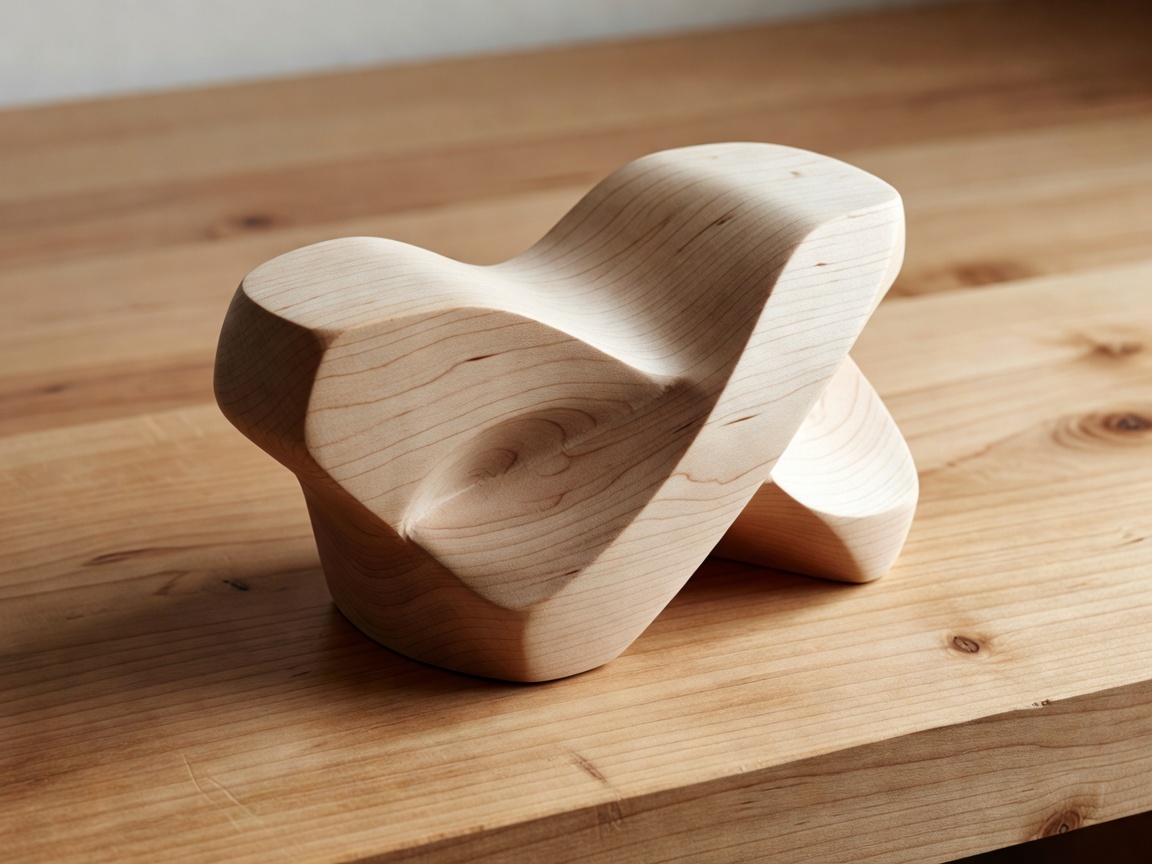
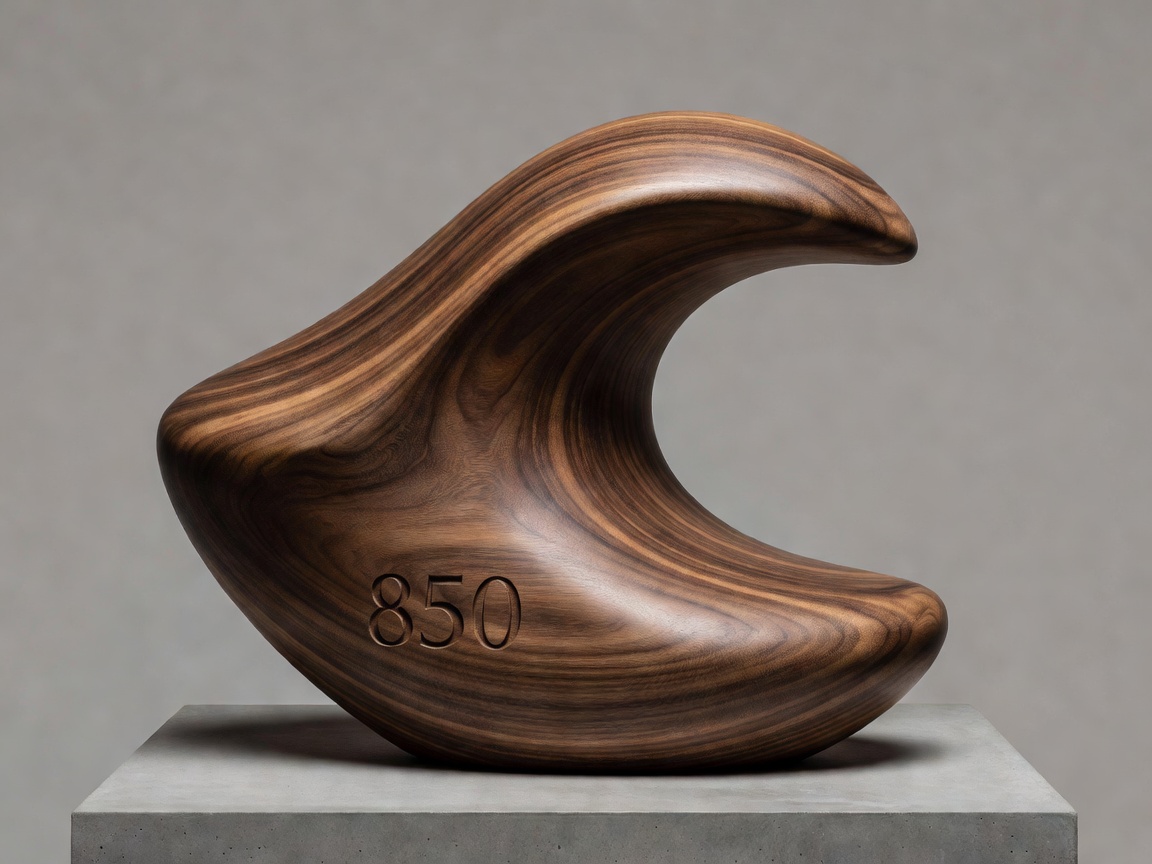
Contemporary sculptural carving may emphasise mass, void, surface rhythm or the character of a particular timber. The form can be representational or abstract. Artists and makers may retain visible tool marks, refine the surface or combine both approaches. Scale and grain determine what can remain thin, project or carry weight.
Functional objects place additional demands on comfort, durability, cleaning and repair. A carved handle, vessel, utensil or small furnishing detail must work in the hand and suit its intended use. Shape and decoration are not separate: carving can clarify grip, protect a surface or create a visual identity. Where food contact or other regulated use is relevant, consult applicable material and finish guidance.
Architecture and furniture details
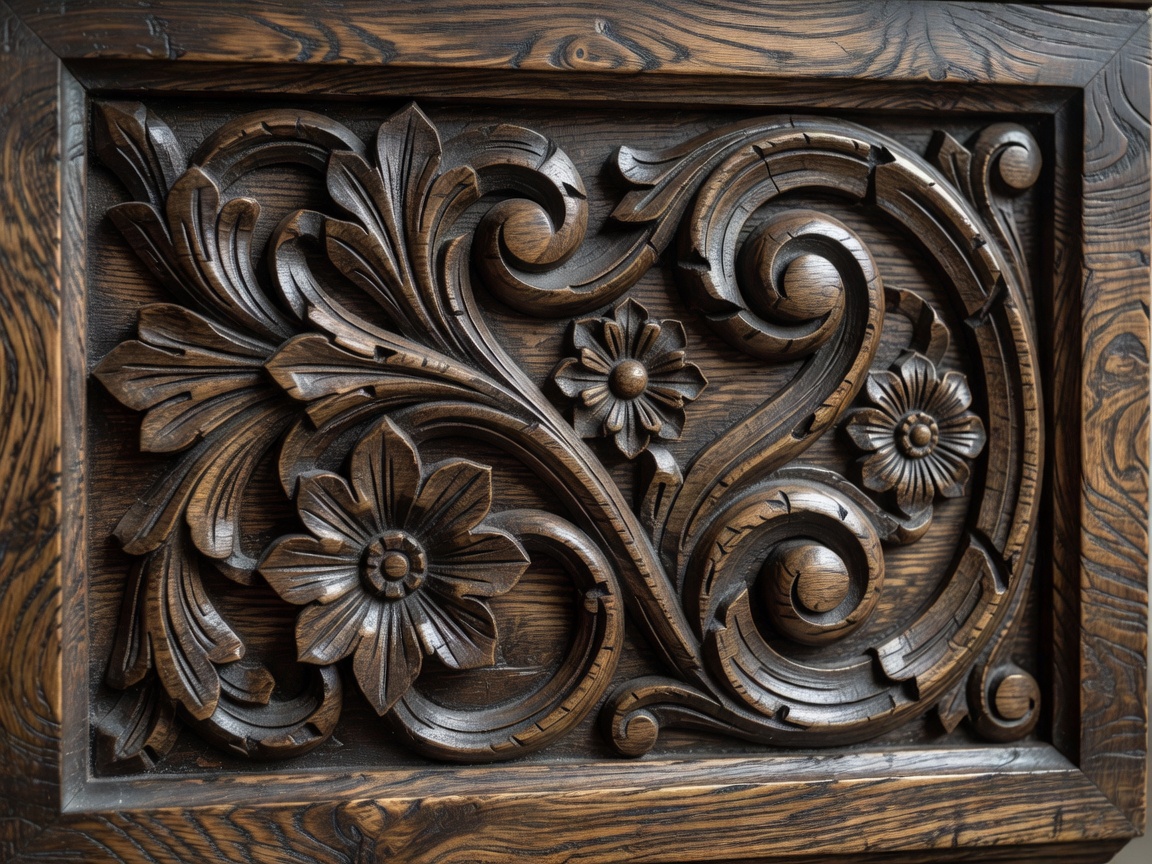
Architectural carving can articulate a threshold, panel, screen, stair, built-in element or interior surface. It must coordinate with structure, fixing, movement, access and maintenance. A carved detail in furniture has related concerns at smaller scale: durability, joinery and repeated handling. Traditional mouldings, foliage, geometric borders and relief remain useful references, but contemporary interpretation should be identified as such.
Decorative panels can connect older compositional methods with current buildings. Repetition, relief depth and shadow can be planned for changing light. A designer may simplify an inherited motif, enlarge it or place it in a new material setting. Clear attribution and accurate context help distinguish research from invention.
Digital planning and hand carving
Digital drawing, measured templates and three-dimensional modelling can assist with proportion, fit and repeatability. They do not replace material judgement. A model cannot fully describe how a specific board will cut, how grain will affect a fine edge or how a hand-finished surface will reflect light. Practical mock-ups and material samples remain useful.
Digital methods can support complex layout, collaboration and accurate architectural coordination. Hand carving can then adjust transitions, marks and surface character. The balance varies by project. A useful workflow is chosen for the design problem rather than for novelty.
Mixed materials and finishing
Wood can be combined with metal, stone, glass, textiles or other materials. Connections must account for movement, weight, maintenance and the properties of each material. Contrasts can clarify a form, but interfaces need deliberate design. Finishing methods also vary: a work may be left unfinished, oiled, waxed, coated, painted or treated in another compatible way. Select by object use, desired appearance, maintenance and environmental conditions. Test on offcuts.
Material responsibility
Material choice begins with a clear account of source and intended service. Consider traceability, local availability, reclaimed stock, offcut use and the amount of material the design requires. Reclaimed timber can carry previous holes, coatings or unknown treatments; assess it before reuse. Responsible sourcing does not mean that one species or supply route is automatically best for every project.
Designing for repair, longevity and appropriate care can reduce unnecessary replacement. A carved object that can be maintained and used over time is a different proposition from a short-lived decorative piece. Document material choices where they affect future repair or conservation.
Traditional and contemporary approaches
Historical methods continue through tool profiles, relief structures, surface patterns, regional knowledge and workshop habits. Contemporary makers may quote, adapt or deliberately challenge those references. The useful distinction is transparent context: explain what is historical, what is current interpretation and what is newly designed.
- Use precedent as a source of structure, not as an unexamined style label.
- Test the timber and finish in a sample at the intended scale.
- Consider use, repair, fixing and care alongside visual form.
- Record digital and hand processes when they affect future making or maintenance.
Good for
Use this guide when developing a new object, adapting a historic form or combining hand skills with digital planning.
What to know
Contemporary work can draw on historical practice without being historical. Name the distinction and give material context.