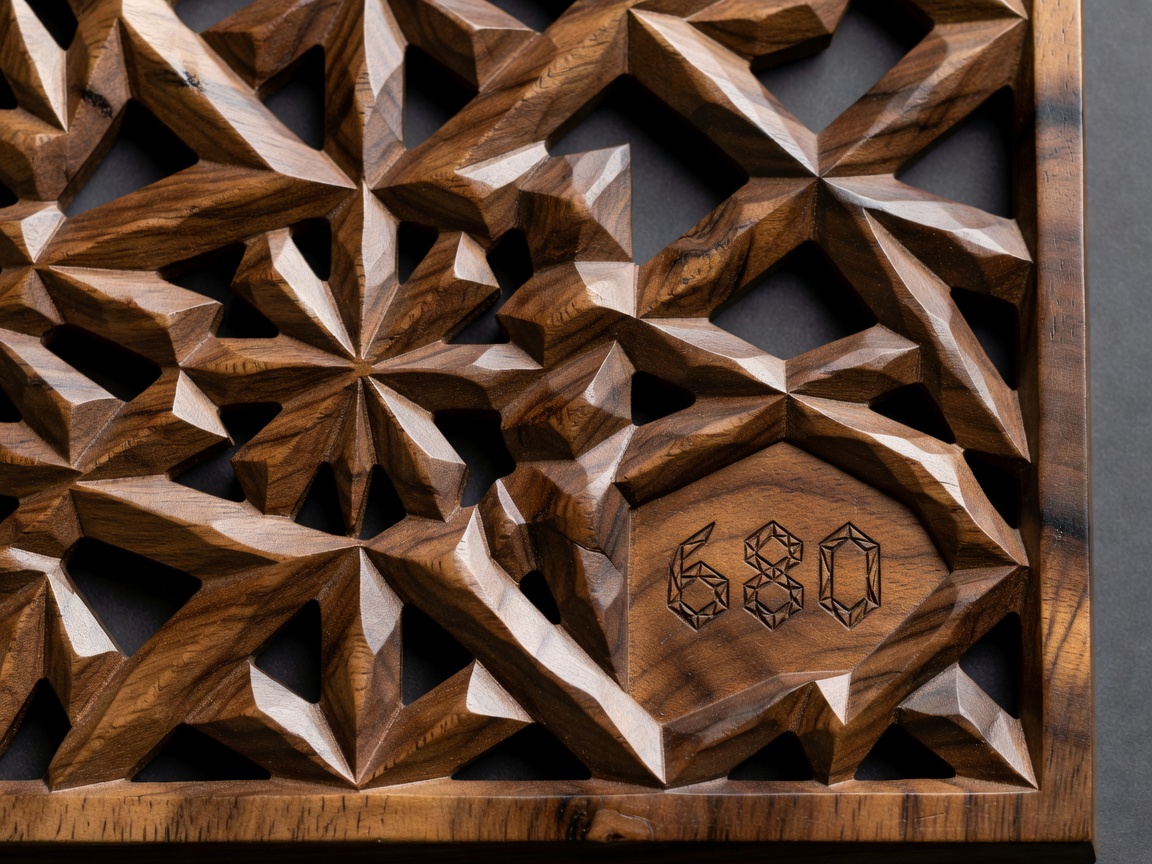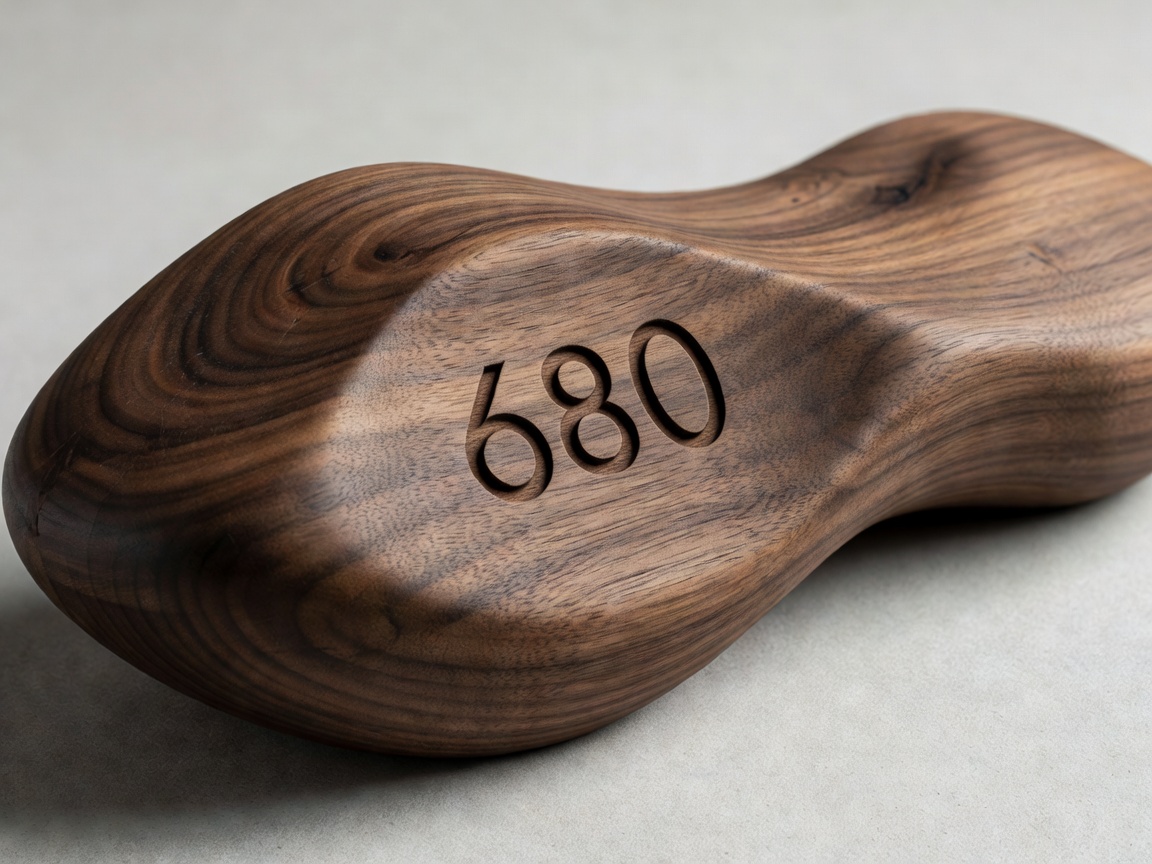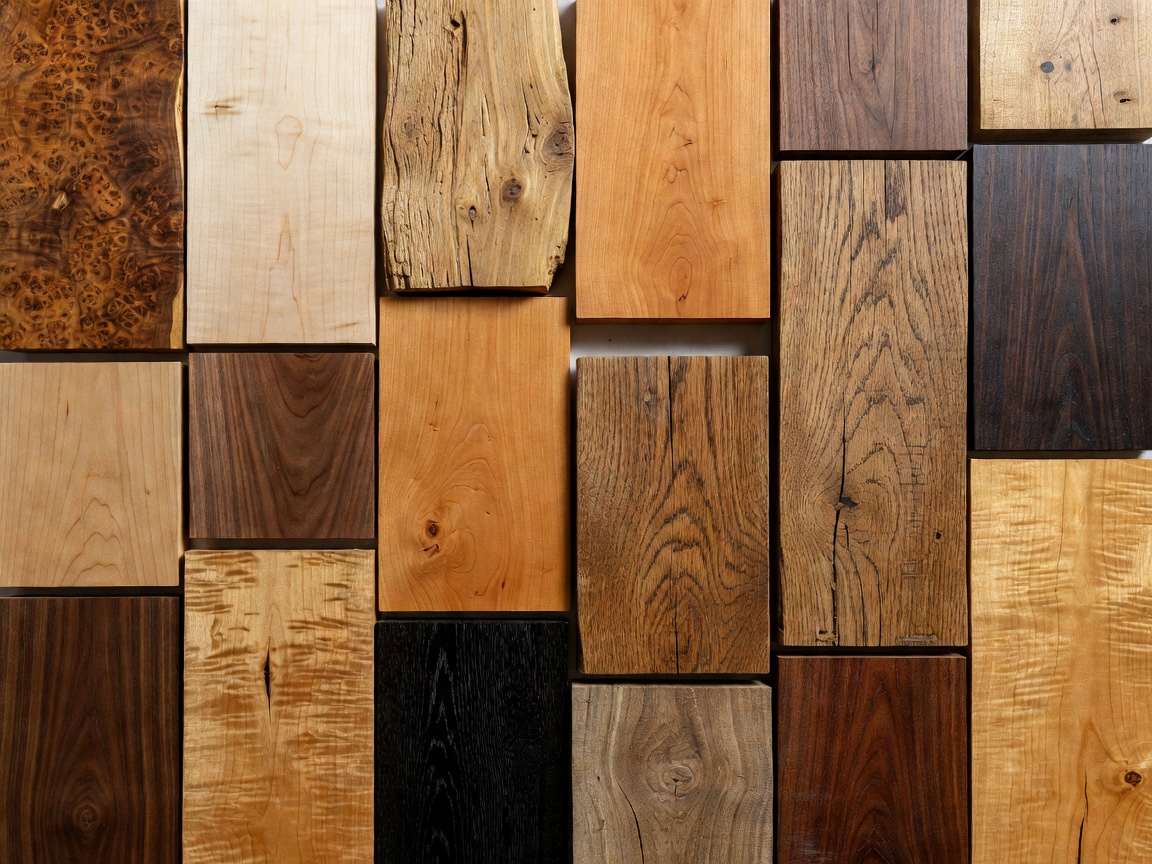
A useful carving blank is sound, appropriately dry for its intended use and compatible with the design. Species descriptions are starting points. Individual boards differ with growth, storage, grain direction, defects and moisture condition.
Compare before you commit
| Wood group | Typical carving character | Selection notes | Finish considerations |
|---|---|---|---|
| Limewood | Often even-textured and approachable for detail | Inspect for clean, straight grain and sound stock | Fine surfaces can show marks clearly |
| Oak | Strong grain character; can demand more effort | Check grain run, open features and intended scale | Texture and pores remain visually prominent |
| Beech | Generally even appearance, with a firm feel | Assess drying and movement for the object | Test color change on an offcut |
| Walnut | Distinctive tone and varied grain figure | Choose stable stock for fine projecting details | Finish can deepen natural color |
| Maple / birch | Often pale, with grain that varies by board | Check density and figure in the actual blank | Even preparation supports a consistent appearance |
| Ash / fruitwoods | Marked grain or fine, varied character | Species and stock vary; inspect in person | Test finish against the desired tone |
| Softwoods | Can be light and accessible, but resin and grain vary | Check knots, earlywood and latewood transitions | Uneven absorption may affect appearance |
Grain, hardness and density
Grain describes the arrangement and direction of wood fibres. Carving across, with or against grain can change the cut and the quality of an edge. Grain that runs out toward a thin projection may make that feature fragile. Rotating a blank or adjusting the design can help, but no general species label replaces inspection.
Hardness and density are related selection considerations, not interchangeable guarantees. A harder, denser wood can hold crisp detail but may require more effort and well-maintained tools. A softer wood may be easier to shape, yet can compress or bruise. Texture affects fine detail, while checks, knots and irregular growth can interrupt the cut.
Drying and stability
Wood responds to changes in moisture and environment. A blank that is not suited to the intended indoor or outdoor conditions may move, split or distort as it equilibrates. Ask about storage and drying history where possible. Look for checks, end splits and visible movement. For larger work, allow the design and construction to accommodate expected seasonal change rather than assuming timber remains static.
Do not rely on a single number or a generic species chart to determine readiness. The right condition depends on the object, its dimensions, construction and service environment. Seek competent material advice for structural or high-value work.
Appearance and finishing behavior
Color, grain figure and texture influence how a carved surface reads. Oak’s open texture can remain part of the visual character. Pale woods can reveal tool marks and handling. Walnut may appear richer after a compatible finish, while other woods may change tone or absorb treatment unevenly. Test finish, sheen and maintenance on a representative offcut. Include end grain and carved recesses in the test where possible.
Practical selection criteria
- Match species and blank size to detail scale, object use and required strength.
- Inspect the actual grain direction, defects, checks and surface condition.
- Consider whether the timber is dry and stored for its intended environment.
- Choose a finish only after checking compatibility, color and future care.
- Prefer responsibly sourced, traceable stock and make good use of offcuts.
Softwood, fruitwood and hardwood are broad categories, not quality grades. Trade names can also cover different species in different places. Confirm the material identity when it affects performance, safety or conservation.
Good for
Use this comparison when choosing a practice blank, planning a detailed panel or checking whether a timber suits a proposed finish.
What to know
Species guides describe tendencies, not promises. Grain, drying, board quality and design all change the result.